


If you’ve been putting off painting your house because you’re not sure what it costs, when to schedule it, or who to trust with the job — you’re not alone. Melbourne’s weather doesn’t make it easy either: one week of hot northerlies followed by a cold snap and a downpour is enough to throw off a DIY paint job, or catch out a painter who hasn’t planned around it.
This guide covers what actually matters for house painting in Melbourne: realistic cost ranges, the seasons that give paint the best chance of curing properly, and the questions worth asking before you commit to a painter. No fluff, no filler — just what a local painter would tell a mate.
Why a Repaint Is Worth It for Melbourne Homes
Repainting isn’t just cosmetic. In a city with as much weather variation as Melbourne, paint is one of the few things standing between your timber, render, or weatherboard and the elements. Left too long, a tired paint job stops protecting the surface underneath it — and that’s when the real, expensive damage starts.
It Makes a Home Easier to Sell
A freshly painted home photographs better, shows better, and generally moves faster in a competitive market. Buyers read peeling paint or dated colours as “more work to do” — even if the bones of the house are solid. Neutral, well-applied colour schemes tend to appeal to the widest pool of buyers and rarely date as fast as trend colours.
It Protects Against Melbourne’s Weather Swings
Melbourne’s reputation for “four seasons in a day” isn’t just a joke locals tell visitors — Bureau of Meteorology climate data for Melbourne shows genuinely wide swings in a single day, from UV-heavy summer afternoons to cold, wet fronts rolling through with little warning. That kind of swing is hard on exterior surfaces. A quality, weather-rated paint system — applied properly — is what keeps cracking, peeling, and fading at bay.
Curb Appeal Still Counts
Whether you’re having people over or just walking up your own driveway every day, a well-kept exterior changes how a home feels. It’s one of the simplest updates that makes an older home look cared for rather than neglected.
Best Time of Year to Paint a House in Melbourne
Paint needs stable conditions to cure properly — not too hot, not too cold, and not too wet. Getting the timing wrong is one of the most common (and avoidable) causes of a paint job that doesn’t last.
What Conditions Paint Actually Needs
As a rough guide, most exterior paints perform best somewhere between 10°C and 30°C, with lower humidity. Outside that range, paint can dry too fast, too slow, or not adhere properly — none of which show up until months later, when it starts to fail.
Local tip: Don’t just look at the day’s forecast — check overnight temperatures and dew point too. A warm day followed by a cold, damp night can still ruin a fresh coat before it’s cured.
Spring and Autumn Are Generally the Sweet Spot
In Melbourne, spring (September–November) and autumn (March–May) tend to offer the most consistent painting weather — mild days, manageable humidity, and fewer extreme temperature spikes than summer.
- Spring: drier air helps paint dry evenly without rushing the cure.
- Autumn: cooler, steadier temperatures reduce the risk of paint drying too fast and cracking.
Winter Isn’t Off the Table for Everything
Melbourne’s wetter months (roughly May to August) are generally best avoided for exterior painting, since rain and cold can ruin a finish before it sets. Interior painting, on the other hand, is far less weather-dependent and can be scheduled year-round.
How Much Does House Painting Cost in Melbourne?
This is usually the first question, and fair enough — it’s a real investment. The honest answer is: it depends. Here’s what actually drives the number on your quote.
What Affects Your Quote
- Surface area: more walls, more ceilings, more paint and labour hours.
- Paint quality: premium, weather-resistant, or specialty finishes cost more up front but tend to last longer.
- Prep work: sanding, scraping, patching, and priming take time — and skipping it is exactly how paint jobs fail early.
- Access and complexity: multi-storey exteriors, high ceilings, and heritage detailing all add time.
Roughly What to Budget
Every property is different, so treat this as a starting point for your own research rather than a fixed number: many Melbourne homeowners find full interior and exterior jobs land somewhere in the low-to-mid thousands, with exterior work typically costing more per square metre than interior due to the weather-grade paint and access equipment involved. The only way to know your real number is a proper on-site quote.
| Job type | What drives the price |
|---|---|
| Interior painting | Number of rooms, ceiling height, wall condition, paint finish |
| Exterior painting | Surface area, access/scaffolding, weather-grade paint, prep required |
Local tip: Don’t just look at the day’s forecast — check overnight temperatures and dew point too. A warm day followed by a cold, damp night can still ruin a fresh coat before it’s cured.
Watch for Costs That Show Up Later
Rotten timber under old paint, extra coats needed for proper coverage, or unexpected repairs are the most common reasons a job runs over budget. Building in a contingency — and asking your painter directly what isn’t included in the quote — avoids nasty surprises.
Getting a Painting Job Right: What Actually Matters
Choosing Paint That Suits Melbourne’s Climate
Acrylic paints are a common choice locally for their flexibility, UV resistance, and moisture tolerance — all useful traits given how much Melbourne’s weather moves around. For bathrooms, laundries, and other moisture-prone rooms, a mould-resistant finish is worth the small extra cost.
Prep Work Is Where Paint Jobs Are Won or Lost
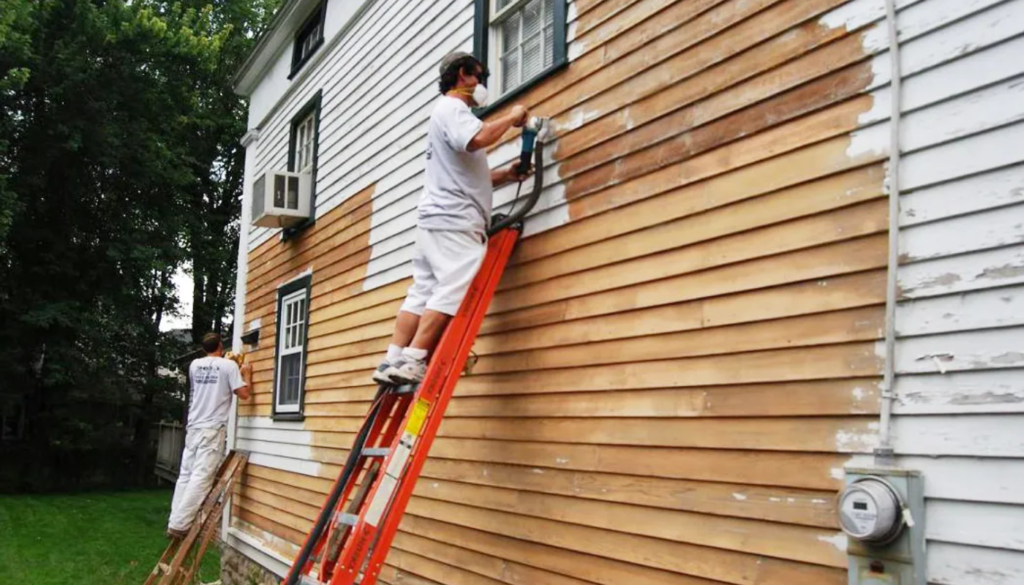
Cleaning, sanding, patching, and priming aren’t the exciting part of the job — but they’re the part that determines whether your paint lasts five years or fifteen. Skipping prep is the single biggest reason exterior paint peels early.
DIY vs. Hiring a Professional Painter
A single feature wall or small room is a reasonable DIY job if you’ve got the time and patience. Full exteriors, high or hard-to-access areas, and anything that needs to hold up long-term are where professional residential painters earn their fee — through proper prep, the right equipment, and a finish that’s actually built to last.
Mistakes Worth Avoiding
- Rushing coats instead of letting each one properly dry or cure.
- Skipping primer to save time or money.
- Painting in poor weather conditions — heat, humidity, or rain all affect the result.
Choosing the Right Painter in Melbourne
The painter matters as much as the paint. Before signing off on any quote, it’s worth checking a few things.
What to Look For
Licensing, insurance, and a track record of finished jobs you can actually see — photos, reviews, or a gallery of past work. The Consumer Affairs Victoria guide to hiring a tradesperson is a useful independent checklist if you want to know exactly what to verify before you pay a deposit.
Questions Worth Asking Before You Hire
- What’s the realistic timeline for a job this size?
- What prep work is included, and what isn’t?
- Are there conditions that would add to the quoted price?
Comparing Quotes Properly
The lowest quote isn’t automatically the best one — check what’s actually included before deciding. A quote that skips prep work or uses a lower-grade paint might look cheaper on paper and cost more in a few years.
Ready to get your Melbourne home painted properly?
We handle residential, commercial, and decorative painting across Melbourne — with the prep, products, and finish built for local conditions.
FAQs
Painting in Melbourne: Common Questions
How much does house painting cost in Melbourne?
It comes down to the size of the home, the amount of prep needed, and whether you’re doing interior, exterior, or both. The only reliable way to get a real number is a written, itemised quote for your specific property.
What's the best time of year to paint a house in Melbourne?
Spring and autumn generally offer the most stable conditions — mild temperatures and less rain than the depths of winter or peak summer heat.
Should I DIY or hire a professional painter?
Small, low-risk jobs can suit a confident DIYer. For full exteriors, high walls, or a finish you need to last, a professional painter is usually the safer bet.
How long does a paint job take?
It depends on scope — a single room can be a day or two, while a full interior and exterior repaint might run one to a few weeks.
What should I do to prepare before the painters arrive?
Clear the work area, flag any damage you’ve noticed, and discuss access for exterior or high areas with your painter ahead of time.